

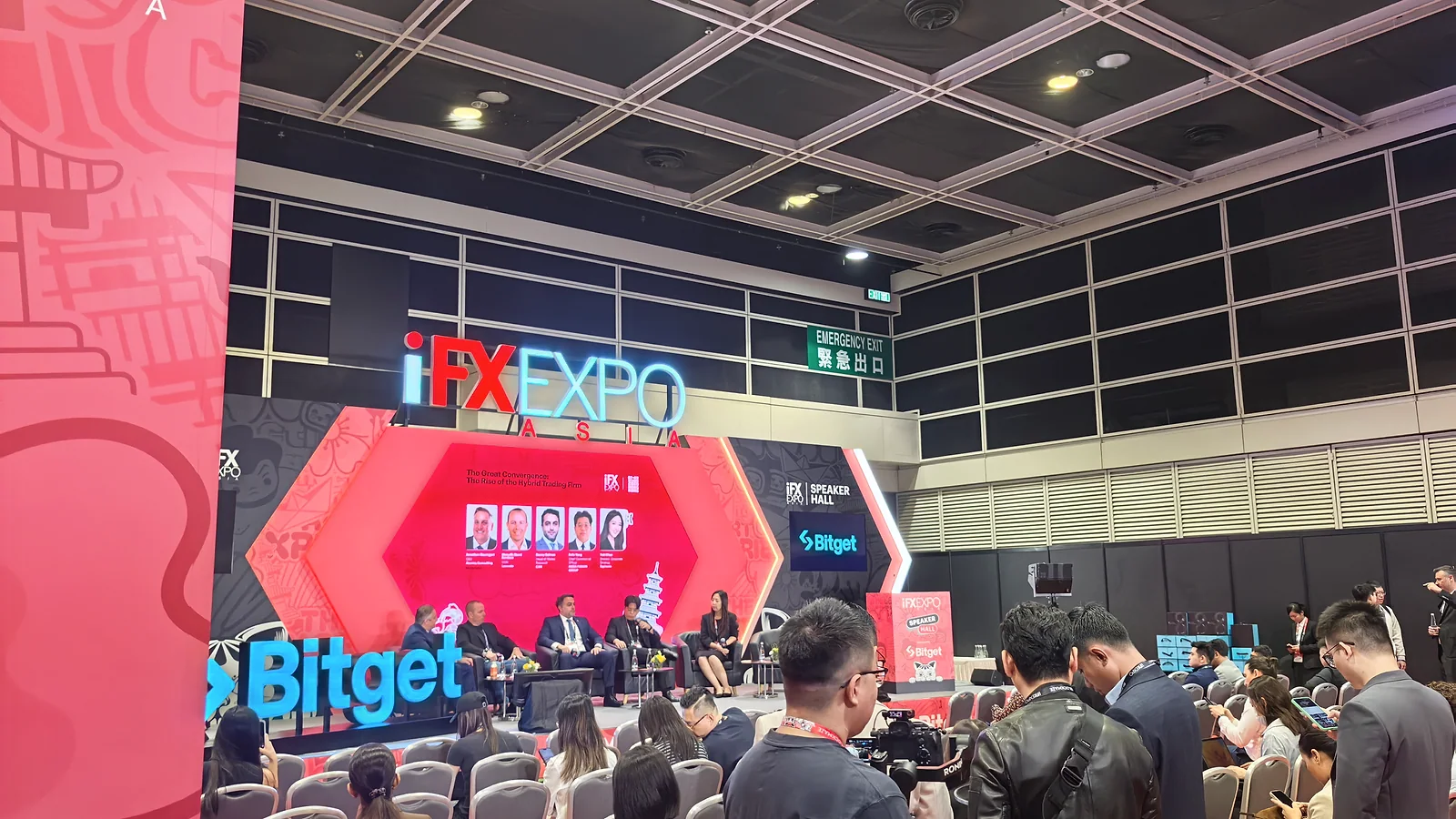
iFX EXPO Asia 2026 entered its first exhibition day at Hall 3FG of the Hong Kong Convention and Exhibition Centre on 8 October. Brokers, liquidity providers, payment firms and trading-technology vendors filled the floor, while the Speaker Hall and Mastery Hub pushed industry convergence, risk management and AI into the conference programme.
The clearest change was not the size of any one stand. It was the visibility of the supply chain behind brokerage. Payments, liquidity, bridges, surveillance and client systems—once treated as back-office configuration—were competing openly for broker budgets and partnerships.
Broker competition moves down the stack
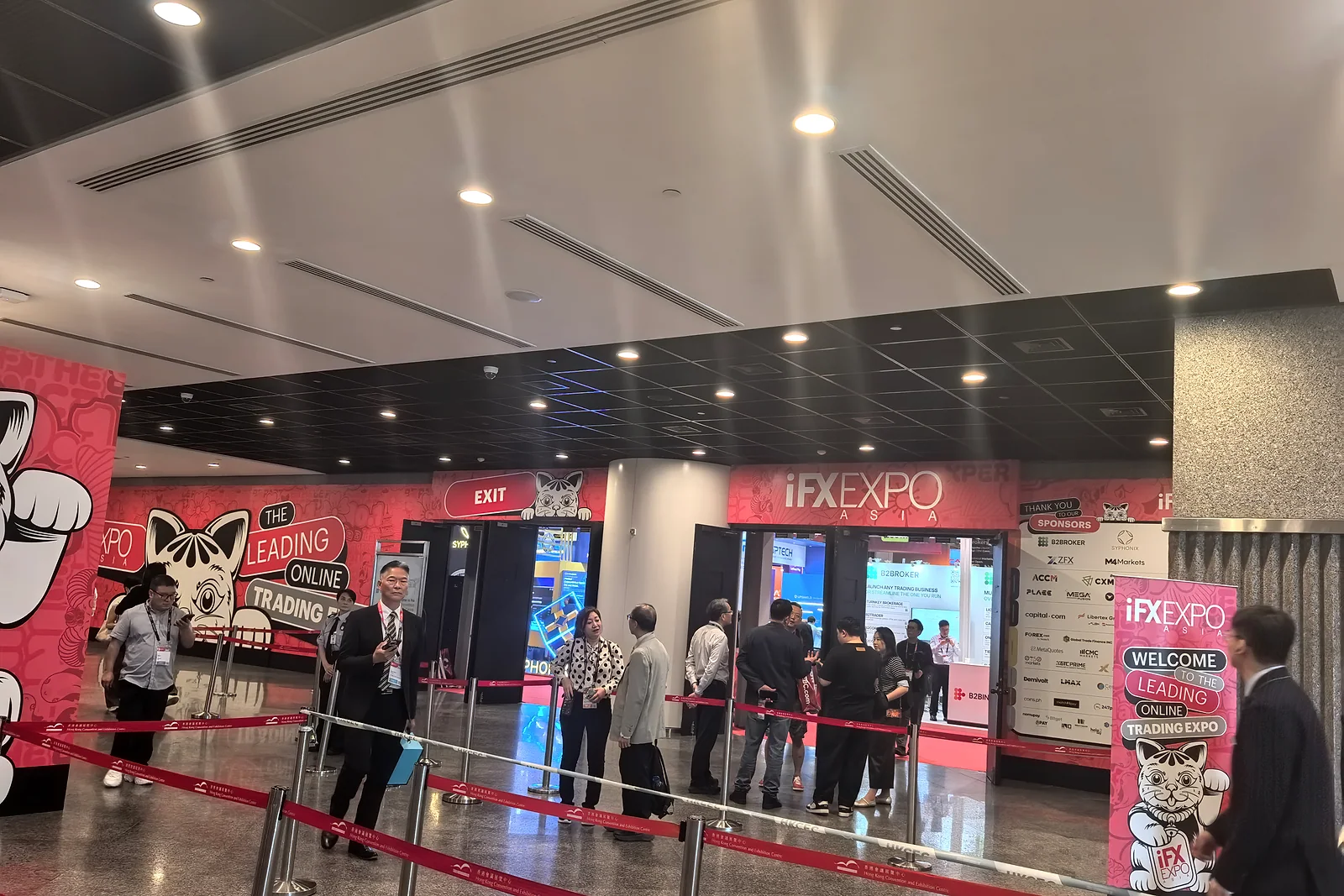
In the liquidity and technology area, displays from brands including LMAX Global and Centroid Solutions covered liquidity access, bridges, hosting, CRM, risk and multi-asset trading. The packaging of those modules into broader suites reflects demand for more integrated broker infrastructure.
That demand is practical. Entering a new market now means managing pricing, routing, exposure, resilience, customer data and regional compliance at the same time. Technology procurement is therefore no longer an IT-only decision; it directly shapes execution quality, retention and operating risk.
Payments become a growth tool, but the funds path remains fundamental
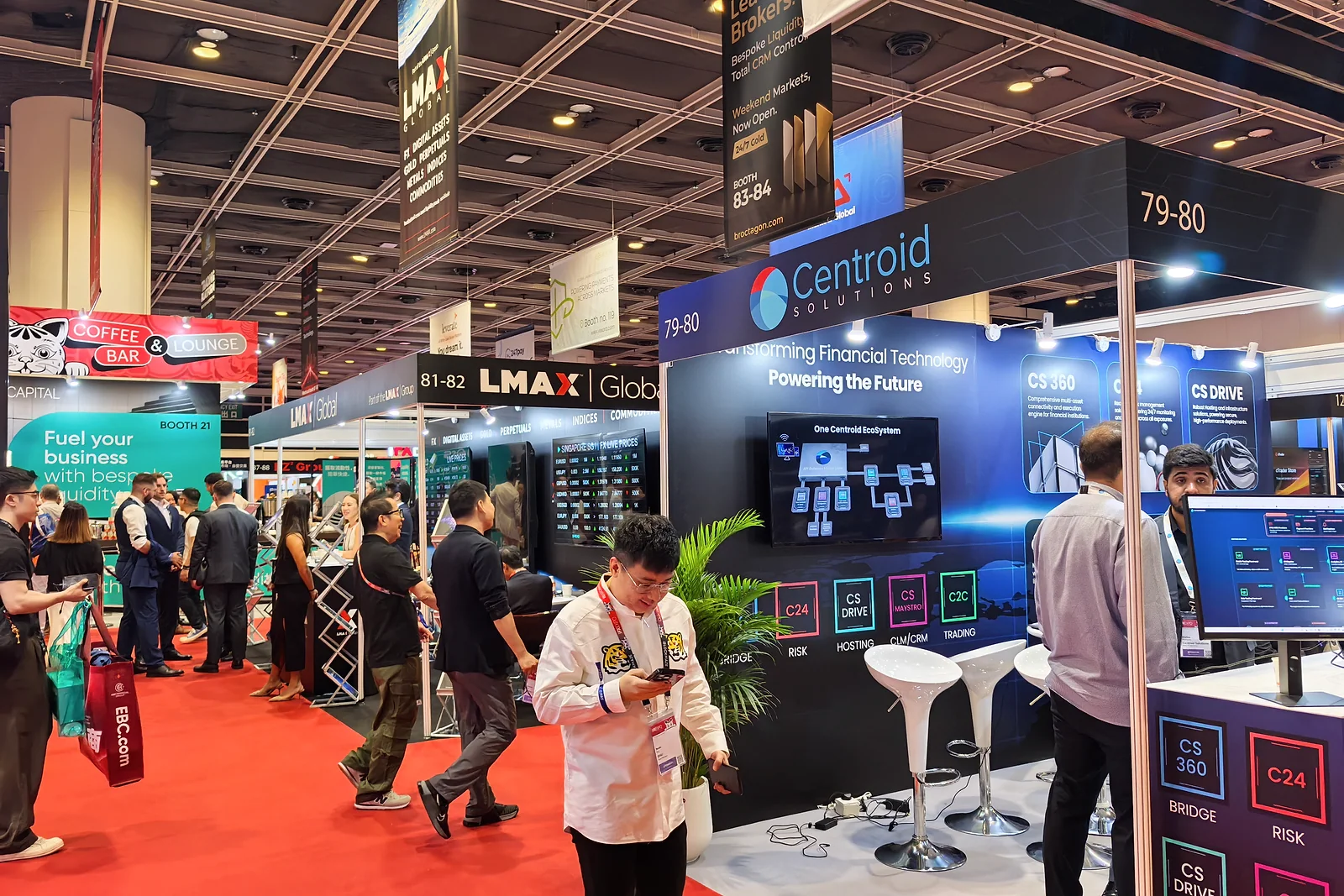
Payment providers were among the most active categories on the floor. The m2Pay stand centred on gateway services, while other exhibitors promoted local rails, cross-border collection and multi-currency accounts. For brokers, payment access affects deposit conversion, settlement speed, chargebacks and the cost of entering new markets.
For customers, convenience does not answer the most important questions: which entity receives the money, where it ultimately lands, whether client funds are segregated, who processes withdrawals and which jurisdiction governs a dispute. Payments can improve reach; they cannot blur contractual and financial responsibility.
Risk control moves from the back office to the stand
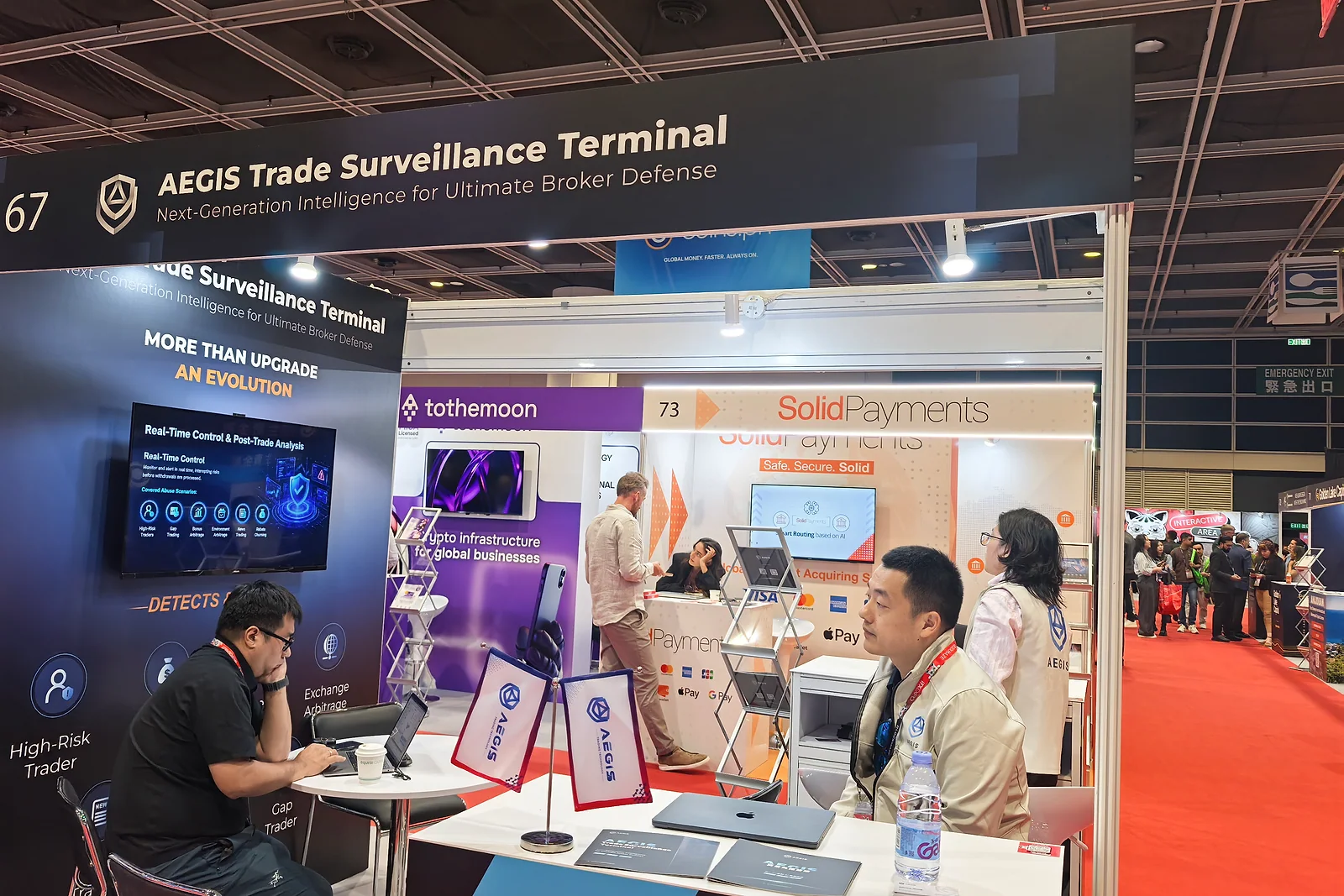
Trade surveillance was also being presented as a product in its own right. The Aegis stand focused on real-time control and post-trade analysis, with screens showing behavioural-alert scenarios. For cross-market brokers, risk extends beyond price movement to account abuse, unusual arbitrage, fraud, liquidity mismatches and supplier outages.
The value of surveillance is not the number of alerts on a screen. It lies in explainable rules, traceable data, independent review and auditable action. A live demonstration cannot prove those controls, but it shows that risk governance has entered mainstream procurement and management discussions.
The real business begins after the product demonstration
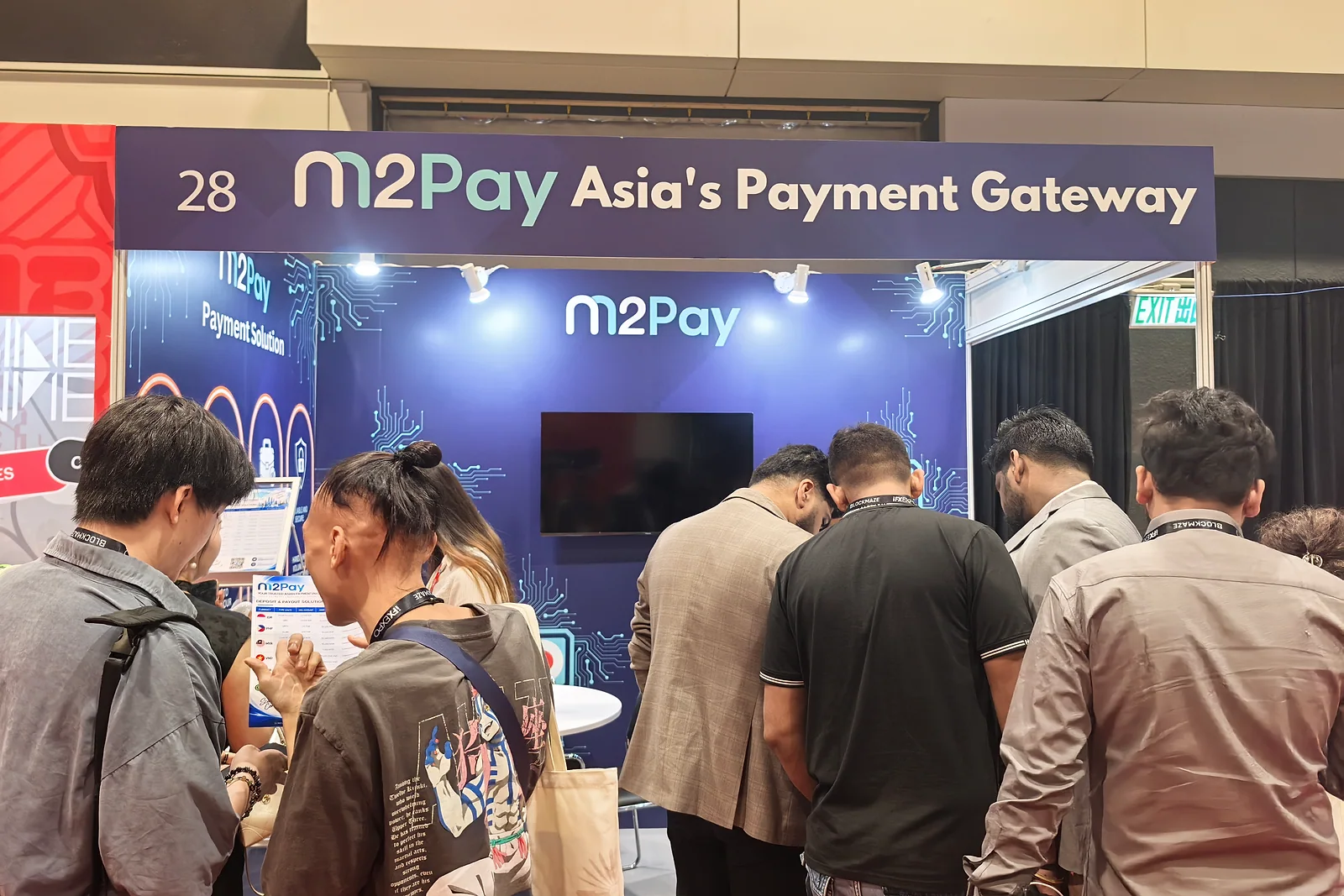
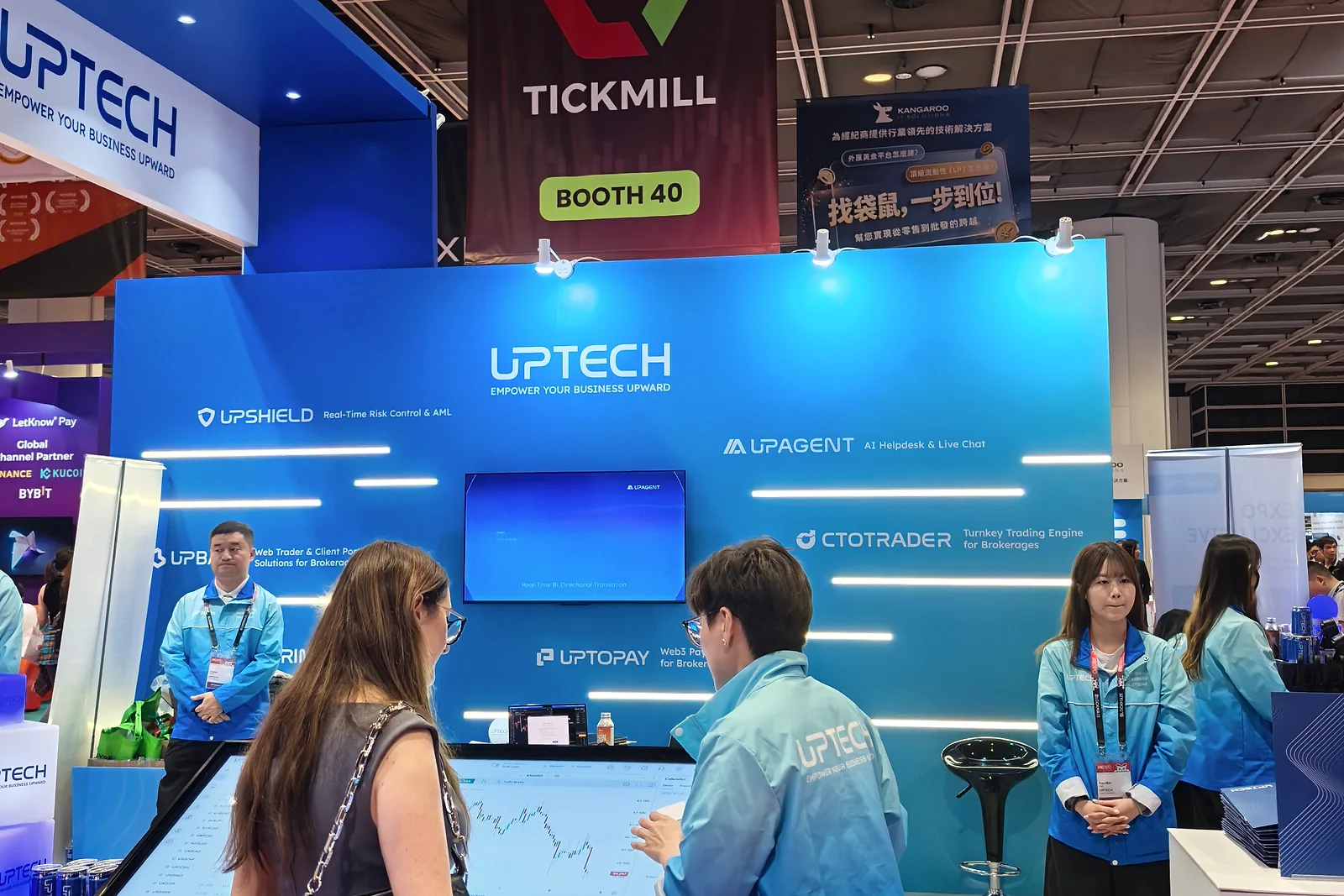
Across the afternoon floor, many conversations took place around trading interfaces and live system demonstrations. This is closer to the commercial core of the event than distant branding: can a system connect to existing operations, fail over safely, export historical records, divide permissions correctly and preserve ownership of customer and trading data?
Service levels, subcontractors, cybersecurity, migration, exit terms and regulator access can turn an otherwise capable product into a concentration risk. Brokers can buy modules; they cannot outsource final accountability to customers.
The hybrid trading firm reaches the main stage
The Speaker Hall session “The Great Convergence: The Rise of the Hybrid Trading Firm” mirrored the structure of the floor. Retail brokerage, institutional liquidity, white-label technology, digital assets and proprietary-trading tools are being brought into more unified operating models.
Hybridisation is not simply a wider product shelf. It redistributes control across the client relationship, technology platform and liquidity sources. Integration can improve efficiency, but it also complicates contracting entities, appropriateness, leverage, custody and cross-border promotion. A common interface does not mean every product has the same provider or regulatory protection.
AI enters the product-testing phase
At the Mastery Hub, iFX HACK offered a second line of evidence. The organiser says the AWS-powered trading and fintech hackathon took place at the University of Hong Kong on 4 October, with seven finalists then presenting at HKCEC. The projects were already discussing deployment, backtesting, prompt refinement and broker pilots rather than stopping at concept slides.
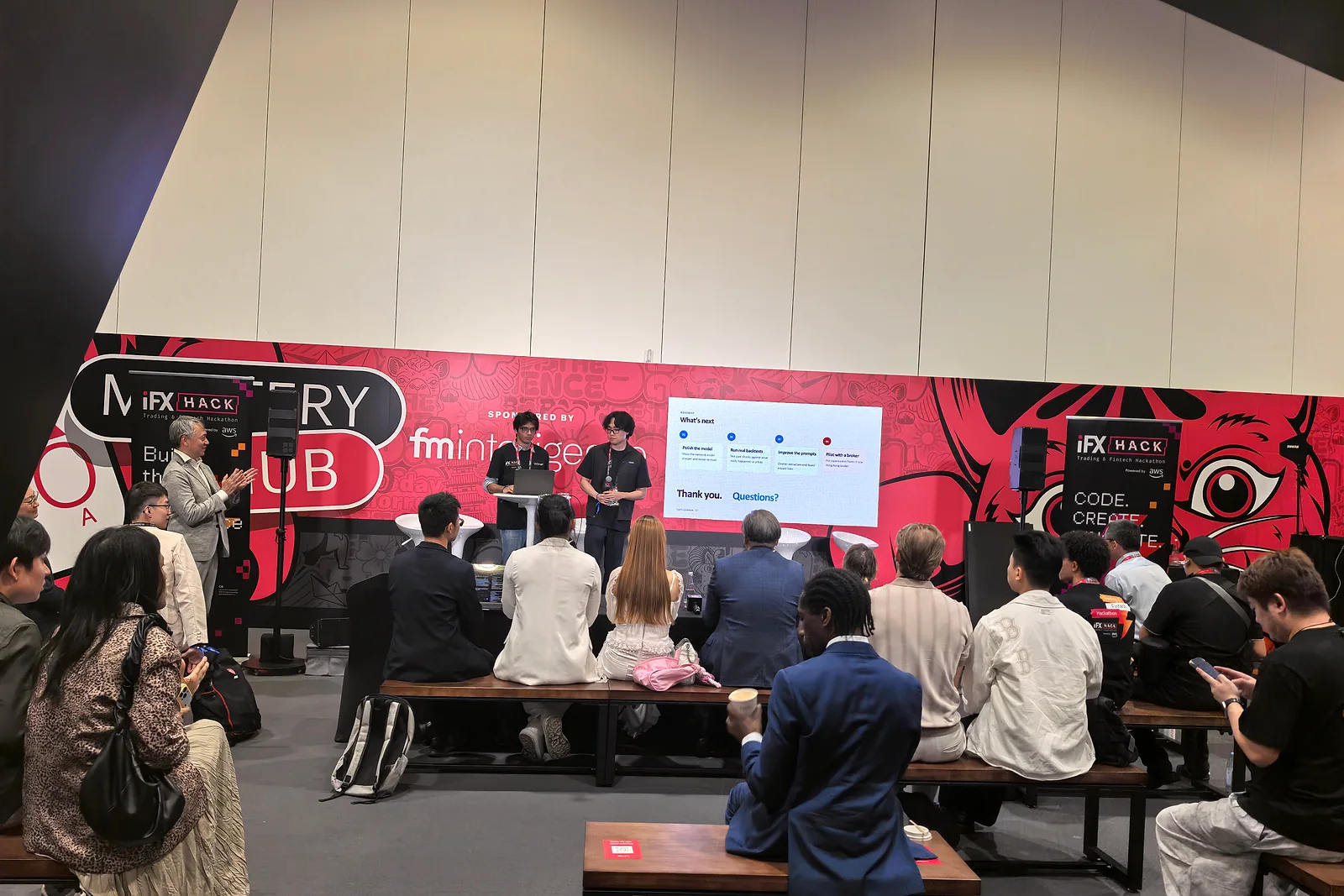
In finance, AI value will ultimately depend on data provenance, testing, human review and clear accountability. Near-term applications in service triage, compliance search, data explanation, risk alerts and internal operations may be more realistic than allowing models to make customer trading decisions.
TraderVote view
Day one did not show one product replacing another. It showed online-trading infrastructure being recomposed. Branding and acquisition still matter, but resilience depends on traceable payments, substitutable liquidity, auditable risk, portable data and clear responsibility when a supplier fails.
For traders, exhibition visibility is not regulatory approval. Before opening or migrating an account, verify the contracting entity, licence holder, client-money arrangement, execution rules and complaint route.
For brokers, the most valuable outcome is not simply a longer vendor list. It is a clearer view of technical dependencies and the responsibility chain. More connections do not automatically reduce risk; durable advantage requires infrastructure that is bounded, replaceable and auditable.
Images and sources
All images were photographed at HKCEC on 8 October 2026 and received only cropping, resizing and light exposure correction. Logos, product descriptions and promotional text document what was visible and do not constitute TraderVote endorsement.
Official event page: https://ufapp.ifxexpo.com/event/ifx-expo-asia-2026
Official side-events programme: https://asia2026.ifxexpo.com/side-events
Meetings & Exhibitions Hong Kong listing: https://www.mehongkong.com/eng/home/planning/events/detail/2026-10-07-89723-iFX-EXPO-Asia-2026.html
Written independently by Hengyuan from field material and official sources checked before publication. This is not investment, legal, account-opening or supplier-procurement advice.
Discussion
Comments (0)
Sign in to join the discussion.
Sign inNo published comments yet. Start the discussion.